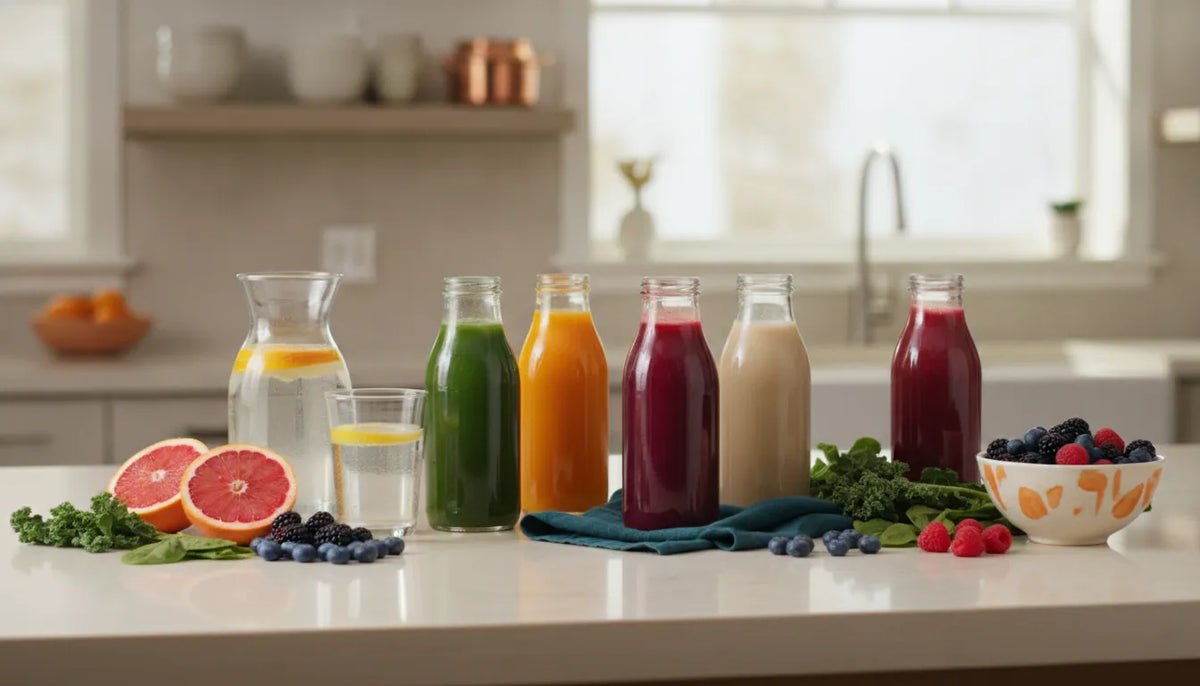
A juice cleanse and a protein-inclusive cleanse may look similar in a cooler, but the drinks can play different nutritional roles. One is built primarily around fruit and vegetable juices; the other adds a protein-containing smoothie, nut milk, or plant-based blend. The exact ingredients, serving schedule, and nutrition depend on the program, so the label matters more than the name.
Compare PUR protein cleanse options and review the current product details before choosing a routine.
In simple terms, what is a protein juice cleanse? It is a structured, usually short-term beverage plan that combines juice with one or more protein-containing drinks. That addition changes the format, but it does not prove a detox benefit, guarantee an outcome, or make every plan nutritionally complete.
Start by separating the category from the claims often attached to it. Once the basic format is clear, the differences between juice-only and protein-containing options become easier to evaluate with your own preferences, ingredients, and daily needs in mind.
What Is a Protein Juice Cleanse, and How Is It Different?
A protein juice cleanse is a structured beverage routine that combines cold-pressed fruit or vegetable juices with one or more protein-containing drinks. Such as a smoothie or plant-based blend. In plain terms, it is a juice-based format with a protein component added. The exact recipes, serving schedule, and nutrition vary by program, so the name describes a category rather than one standardized plan.
That distinction is important when comparing options. Some commercial plans pair several juices with protein smoothies across the day. Others may include a plant-based protein drink alongside a smaller selection of juices. Protein presence alone does not establish a specific health outcome. And it does not mean every protein juice cleanse provides the same amount of protein, energy, fiber, or other nutrients.
How It Differs From a Standard Juice-Only Cleanse
A standard juice-only cleanse is primarily made up of juices. PUR describes its Full Cleanses as six juices per day. A protein juice cleanse adds a different type of beverage to that structure, which changes the ingredients and may change the overall nutrition profile. The practical difference is what is in the bottle, not a promise that one format is automatically better.
For example, PUR's Powerhouse Juice Cleanse + Protein includes plant-based protein alongside juices. That is different from treating every serving as juice alone. Even so, the current product details matter: check the ingredient list, nutrition panel, serving information, and allergen statement before ordering. Recipes and schedules can change, and a product label is more useful than a broad category name.
Juice can make produce convenient, but it is not the same as a complete meal or a guarantee of nutritional completeness. A protein-containing drink can add another component, but it does not remove the need to consider the rest of the day's food and fluids. For broader context on how protein drinks fit into an active lifestyle, see the protein and fitness nutrition guide, then return to the specific format and label you are evaluating.
The simplest definition is also the most accurate: a protein juice cleanse is a juice-centered plan that includes protein-containing beverages. While a standard juice-only cleanse centers on juice alone. Neither label, by itself, promises detoxification, weight loss, treatment, or a result that applies to everyone.
What Is Usually in a Protein Cleanse Program?
There is no single template for a protein cleanse. One commercial example lists three cold-pressed juices and three protein smoothies per day, while another pairs cold-pressed juice with protein smoothies in a different one-day format. These examples show why the product label matters more than the category name. A protein cleanse may use smoothies, nut milks, or another protein-containing blend, and the total protein amount is specific to that formulation.
| Format. | Usually includes. | What to check. |
|---|---|---|
| Standard juice-only. | Primarily cold-pressed fruit and vegetable juices. | Daily serving schedule and what food, protein, and fiber are available outside the juices. |
| Protein-inclusive. | Juices plus protein smoothies, nut milks, or protein blends. | Protein per serving, ingredients, calories, fiber, added sugar, and allergens. |
| Meal-inclusive. | Juices paired with one or more planned meals. | Meal composition, timing, portion guidance, and whether it fits your routine. |
Schedules can vary as much as the ingredients. Some programs divide bottles across the day. While one published protein-cleanse schedule instructs customers to consume each bottle in order every two to three hours over a 12-hour period. Treat that as a product-specific direction, not a universal rule. Follow the current instructions for the program you choose, including storage and serving guidance.
PUR offers more than one format to compare. Its Harmony cleanse combines cold-pressed juices with plant-based nut milks, including listed options such as Vanilla Almond + Protein and Cold Brew + Protein. Review the PUR Harmony juice and nut milk cleanse for current ingredients and nutrition details. Nut-based or blended products may not suit every allergy, preference, or dietary need, so read the ingredient and allergen statement before ordering.
PUR also describes its Mini Cleanses as four juices plus one sensible meal. That meal-inclusive structure is different from an all-liquid schedule and may make the program easier to understand in the context of a full day of eating. Still, the presence of protein does not prove a health outcome or make every cleanse nutritionally complete. Compare the actual label, serving schedule, and your individual needs rather than assuming every protein cleanse works the same way.
Who Might Consider a Protein Juice Cleanse?
A protein juice cleanse may appeal to adults who want a structured, convenient way to compare cold-pressed juice with protein-containing drinks. PUR identifies active-lifestyle customers and people weighing juice-only options against protein-inclusive formats as part of this audience. That does not make the format necessary, and it does not mean protein guarantees a particular result. It simply gives some readers another option to evaluate.
Convenience can be the main reason to consider one. A prepared drink routine may require less shopping, blending, or meal planning during a busy workweek, travel day, or other short period when simplicity matters. Preferences count, too. Some people enjoy juice and plant-based blends, while others prefer chewing food, familiar meals, or more control over portions. If a liquid plan leaves you distracted by hunger, it may not be a comfortable fit. Satiety varies by person and depends on the full formula, serving pattern, and what else you eat.
Activity context deserves a practical check rather than a fitness promise. Someone with a light or flexible schedule may be comparing formats for convenience, while someone planning demanding training may need a more deliberate eating pattern. A drink that contains protein is not automatically complete nutrition. And protein presence alone does not establish a health outcome or tell you whether every product has the same composition. Review the current nutrition panel, ingredients, serving details, and storage instructions before ordering.
Allergies and dietary preferences can change the decision. Protein drinks and nut milks may contain ingredients that do not work for you. So read the complete allergen statement and contact the company if the label leaves a question. You can also compare PUR cleanse formats rather than assuming an all-liquid plan is the only choice.
Speak with a qualified health professional before changing your intake if you are pregnant, have a health condition, take medication, or have other individual concerns. The same applies if you have a history of disordered eating or need nutrition guidance for a specific training goal. A professional can help determine whether this type of routine is appropriate for you.
Related products


A convenient way to pair greens and protein in one bottle.
View product
What Does the Evidence Say About Protein and Juice Cleanses?
The evidence supports a narrower conclusion than cleanse marketing often suggests. Juice can provide many of the vitamins, minerals, and plant chemicals found in the source produce, but most juicing removes the fiber found in whole fruits and vegetables. Mayo Clinic explains that juicing is not healthier than eating whole produce, while blending edible parts generally retains more fiber. Read the Mayo Clinic overview of juicing for that distinction.
Fiber matters because it supports digestive health and can contribute to feeling full. A juice-based routine therefore should not be treated as nutritionally identical to eating the whole produce used to make it. Adding a protein-containing drink changes the format and may add a nutrient that many juice-only plans provide less of. It does not restore the fiber removed during juicing, and the overall nutrition still depends on the specific ingredients, serving sizes, and what else a person eats.
Research on cleanse outcomes is more limited. Mayo Clinic reports that there is no strong scientific proof supporting juice cleanses for detoxification, digestion, or weight-loss claims. It also cautions that juice cleanses may not provide enough nutrition and may carry health risks. Those points apply when evaluating a protein-containing plan too. The presence of protein alone does not establish a health outcome or make every cleanse nutritionally complete.
A small study published in PMC followed 20 healthy adults who consumed only fruit and vegetable juices for three days. The researchers observed changes in gut microbiota and a decrease in weight and body mass index by day four. However, the study was small, and its authors noted that well-designed controlled research using clinical outcomes remains limited. It does not establish lasting effects or prove that a cleanse caused a particular benefit.
Protein research also calls for restraint. An evidence review in NCBI Bookshelf found that evidence about dietary protein and risks involving bone disease, kidney disease, and sarcopenia was unclear. The review cited limited studies, varied protein interventions, and different outcomes as reasons the evidence remains insufficient. This is not a personal protein recommendation.
In practical terms, compare labels and consider the whole eating pattern rather than treating protein as a guarantee. Anyone who is pregnant, takes medication, manages a health condition, or has individual concerns should seek qualified professional advice before changing their intake.
How Do You Choose Between a Protein and Standard Cleanse?
There is no universal winner. The better fit depends on what you want to drink, how much structure you prefer, and whether the plan's ingredients and schedule work for your day. Use this checklist to compare the format rather than assuming that adding protein guarantees a particular result.
- Start with the format. A standard option may center on juice, while a protein option adds plant-based protein alongside juices. PUR's Powerhouse Juice Cleanse + Protein is one example. If you prefer a juice-only routine, review the PUR cleanse formats and compare what each option actually includes.
- Read the current label. Check the full ingredient list, protein source, serving details, and allergen information before ordering. Protein is not a universal recipe category, and its presence alone does not establish a health outcome. Do not rely on a general article or a product name when the current label can answer the question more precisely.
- Match the schedule to your day. PUR describes Full Cleanses as six juices per day and Mini Cleanses as four juices plus one sensible meal. The collection lists 3-, 5-, and 7-day durations. Treat those as product-specific formats, not as a rule for every cleanse. Consider whether you can store, chill, and consume the items as directed while maintaining your usual hydration.
- Account for food variety and activity. Think about whether you want a juice-centered plan, a protein-containing option, or a format that includes a meal. Your normal activity, appetite, and access to other foods may affect which structure feels practical. If you are comparing protein for a specific training or nutrition question, read more about whether protein is necessary during a cleanse rather than treating a cleanse as a substitute for individualized guidance.
- Set a stopping point before you begin. Stop if the format makes you feel unwell, and do not push through symptoms to complete a schedule. If you are pregnant, take medication, have a health condition, or have another individual concern, seek advice from a qualified professional first. The simplest choice is the one whose ingredients, schedule, and boundaries you understand.
Compare PUR protein cleanse options and review the current product details before choosing a routine that fits your preferences.
Frequently Asked Questions
What is a protein juice cleanse?
A protein juice cleanse is a juice-based plan that also includes protein-containing drinks or blends. The exact recipe, schedule, protein source, and duration vary by program. Unlike a standard juice-only format, it does not rely exclusively on juice for every serving.
How does it differ from a standard juice cleanse?
A standard juice cleanse is primarily or entirely built around juices. A protein-inclusive plan adds a protein drink, smoothie, or blend alongside some juices. That difference does not make one format universally better, and protein presence alone does not establish a particular health outcome. Check the current label for ingredients, allergens, and nutrition details.
What is a three-day juice cleanse with protein?
It is a short-term program that combines juices with protein-containing servings over three days. Three-day schedules are not standardized, so one plan may use smoothies while another uses a protein blend or nut milk. Confirm the serving order and contents with the specific product instructions rather than assuming every program follows the same routine.
Are juice cleanses good for weight loss?
There is no strong scientific proof that juice cleanses produce lasting weight loss or deliver the detox benefits often promised. Mayo Clinic notes that any weight lost during a cleanse could return after a typical diet resumes. A protein-containing format should not be marketed as a guaranteed weight-loss method. Read the Mayo Clinic overview for context.
Who should ask a professional before trying one?
Speak with a qualified health professional first if you are pregnant, take medication, have a health condition, or have other individual nutrition concerns. A cleanse may not provide enough nutrition for every person, and product ingredients and suitability vary. Review the full label and choose a format that matches your needs rather than relying on a general category name.
Get started with a protein cleanse that fits your day
Understanding the difference between protein-containing and juice-only formats can help you compare options more thoughtfully. Review the product details, ingredients, and nutrition information that matter to your preferences before choosing a cleanse.