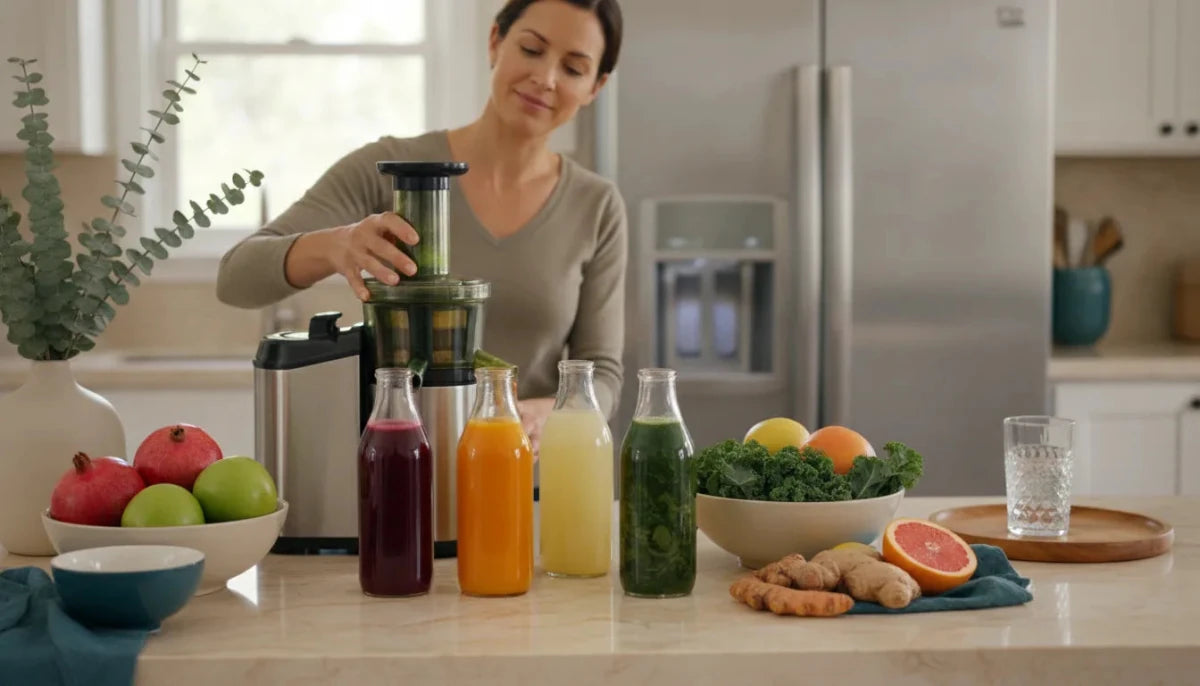
What to expect during a juice cleanse depends on the length of the program, what you normally eat and drink, and how your body responds to a temporary liquid-focused routine. Some people notice cravings or lower energy on day one, while others mainly notice a change in their schedule and digestion. A cleanse is not a guaranteed detox or weight-loss treatment, so the most useful approach is to plan gently, pay attention to your body, and know when to stop.
Ready to plan your routine? Explore PUR juice cleanses and compare current formats before choosing a duration.
Before you begin: set realistic expectations
A juice cleanse is a short-term eating pattern centered on fruit and vegetable juices. Programs differ: some are juice-only, while others include options such as plant-based meals, nut milks, or protein blends. PUR currently offers full cleanse programs and mini cleanses in several durations, so check the current product details to confirm exactly what your selected plan includes.
It is also important to separate marketing language from what is known. Your liver, kidneys, lungs, digestive system, and skin already help remove waste from the body. The National Center for Complementary and Integrative Health explains that there is not compelling evidence that detox diets remove toxins or provide lasting weight-management benefits. Think of a cleanse as a temporary food routine, not a medical treatment or a substitute for balanced eating.
Day one: what most people notice in the first 24 hours
The first day is usually about adjusting to a different rhythm. If you are used to meals, snacks, coffee, or alcohol at predictable times, the change can feel more noticeable than the juice itself.
Cravings and appetite changes
You may want to chew something crunchy, reach for a familiar snack, or eat at the time you normally have lunch. Cravings do not always mean that you need more food, but they are useful information. Slow down, drink water, and avoid treating discomfort as a test of willpower. A routine that leaves you feeling unwell is not a routine you need to force.
Lower energy or a slower pace
Some people feel less energetic during the first day, especially when their usual calorie intake, caffeine intake, or activity level changes abruptly. Plan a lighter schedule if possible. A walk, gentle stretching, or restorative yoga may be more appropriate than a hard workout. Do not schedule a cleanse around a competition, demanding training session, long hike, or physically strenuous workday.
A new timing routine
Most people find it easier to follow a cleanse when they decide in advance when to drink each portion. Keep your juices cold, have water available, and leave enough time to drink slowly rather than rushing between meetings. Follow the timing and serving guidance that comes with your selected program rather than copying a schedule from a different product.
Day two: what may shift as the cleanse continues
On the second day, the novelty may wear off. You may notice that your attention is less focused on what you are giving up and more focused on how to make the routine practical.
Digestive changes
Changing from solid meals to a liquid-focused plan can change bowel habits. Some people notice less stool, looser bowel movements, or a different frequency. These changes are not a sign that your body is removing stored toxins. They are a predictable result of changing what and how much you consume, including your intake of fiber and solid food.
Pay attention to the difference between a mild, temporary change and a concerning symptom. Persistent diarrhea, severe abdominal pain, repeated vomiting, signs of dehydration, or blood in your stool are reasons to stop and seek medical guidance.
Caffeine withdrawal may appear
If coffee, tea, or energy drinks are part of your normal day, reducing them quickly can be uncomfortable. Headache, irritability, tiredness, and difficulty concentrating may be related to caffeine withdrawal rather than a cleansing effect. If you know caffeine changes affect you strongly, discuss a gradual reduction with a healthcare professional before starting a restrictive routine. Do not assume that a severe headache or light-headedness is something you should push through.
Feeling more organized, or simply ready for normal food
Some people enjoy having the day mapped out and find it easier to avoid spontaneous takeout or snacks. Others feel increasingly preoccupied with their next meal. Both reactions are possible. A successful day is not measured by how much discomfort you tolerate. It is measured by whether you can follow the plan safely and make a clear decision when your body is telling you to stop.
Want more guidance before choosing a duration? Read the PUR cleanse guide for an overview of program formats and planning considerations.
Related products


✅ Your Choice of a 3, 5, or 7-Day Juice Cleanse – Pick from Powerhouse, Harmony, or Signature
View product
Gift a juice cleanse kit that lets your loved one create their ideal cleanse.
View productDay three and beyond: how the experience can vary
There is no universal day-three experience. A person completing a three-day plan may be preparing to transition back to meals, while someone on a five- or seven-day plan is still following the middle of the routine. The longer the restriction, the more important it is to consider whether the plan provides enough energy and nutrients for you.
Cravings can change rather than disappear
You may crave a particular texture, flavor, or comfort food even if you are not physically hungry. That is normal in the sense that it can happen, but it is not a promise that your body is entering a special detoxification state. Make a note of what you miss. It can help you plan a more balanced post-cleanse routine that includes the foods you enjoy.
Bloating may feel different
Some people report feeling less full or bloated when they temporarily reduce large meals, salty foods, alcohol, or highly processed foods. This feeling is individual and temporary. It should not be presented as proof that a cleanse removed toxins, cured inflammation, or created lasting weight loss. If bloating is severe, painful, persistent, or accompanied by other symptoms, contact a healthcare professional.
Changes on the scale are not a health score
A short-term change in body weight can reflect fluid, stored carbohydrate, the amount of food in your digestive tract, and overall calorie intake. It does not show how much body fat changed, and it does not predict a lasting result. The University of Rochester Medical Center notes that weight lost during a juice cleanse is often regained after returning to regular eating patterns. Avoid using the scale as the main measure of whether a cleanse was worthwhile.
What is normal during a cleanse, and what is not?
Everyone responds differently, but the following guide can help you distinguish an adjustment from a reason to stop.
Possible short-term experiences
- Cravings for solid food, coffee, or familiar snacks
- A different level of energy than usual
- Mild hunger or a feeling that meals are missing
- Temporary changes in bowel habits
- Headache or irritability after changing caffeine intake
- A need to use the restroom more often because you are drinking more fluids
Stop and seek medical guidance for warning signs
- Fainting, confusion, chest pain, trouble breathing, or severe weakness
- Repeated vomiting, severe or persistent diarrhea, or intense abdominal pain
- Signs of dehydration, such as very dark urine, inability to keep fluids down, or pronounced dizziness
- Changes in vision, a racing heartbeat, or symptoms that feel sudden or severe
- Any symptom that concerns you or prevents you from functioning normally
The University of Rochester's review of juice cleanses lists possible risks including headaches, fatigue, light-headedness, low blood pressure, low blood sugar, and electrolyte imbalances. If you have diabetes, kidney disease, heart disease, a history of an eating disorder, are pregnant or breastfeeding, take prescription medication, or have another health condition, speak with your healthcare professional before making a major dietary change. Unpasteurized juice can also carry food-safety risks for some people. PUR products are raw and unpasteurized, so review current handling instructions and decide with appropriate professional guidance whether the product is right for you.
How to support yourself through the full duration
Choose the shortest plan that fits your goal
Longer is not automatically better. If you are new to cleanses, a mini format or a shorter program may be a more practical starting point than committing to a longer routine. PUR's guide includes full cleanses and mini cleanses, with the mini format designed to pair juices with one plant-based meal. Review the current contents, serving information, and storage instructions before ordering.
Prepare your calendar and kitchen
- Choose days without an unusually demanding workout or travel schedule.
- Make room in your refrigerator and keep juices stored as directed.
- Keep water available throughout the day.
- Plan low-key activities and protect your bedtime.
- Tell someone at home what routine you are following so you have support.
- Do not combine a restrictive cleanse with another unverified detox product, laxative, or supplement.
Keep movement gentle
A walk, stretching, breathing exercises, or easy mobility work may fit a cleanse better than intense exercise. Stop activity if you feel dizzy, shaky, unusually weak, or unwell. You do not need to earn food or compensate for eating. Rest is a reasonable choice.
Plan the transition before the last juice
Do not end a cleanse by immediately eating a very large, heavy meal. Plan a gradual return to foods that are comfortable for you, such as soups, cooked vegetables, fruit, grains, or another balanced meal that includes adequate protein. Your best transition depends on your health, the length of the plan, and what you normally eat. If you have a medical condition or a history of disordered eating, ask a qualified professional for individualized guidance.
Looking for a flexible option? Compare PUR cleanse formats and choose based on the ingredients, serving pattern, and duration that fit your routine, not on promises of a dramatic result.
Questions people ask about a juice cleanse
How long does it take to adjust to a juice cleanse?
There is no set adjustment time. Some people notice cravings or lower energy on the first day, while others feel changes later or do not feel comfortable with the routine at all. Your response depends on your usual diet, caffeine intake, activity, health, and the program itself.
Will I feel tired during a juice cleanse?
You may feel tired, especially if the plan provides fewer calories than you normally consume or if you reduce caffeine. Fatigue can also be a warning sign when it is severe, sudden, or accompanied by dizziness, fainting, confusion, or other symptoms. Stop and seek medical guidance if you feel unsafe.
Can I exercise during a juice cleanse?
Gentle movement may be appropriate for some people, but intense or prolonged exercise can be too demanding when your energy intake changes. Keep activity light, stay aware of your symptoms, and ask a healthcare professional if you are unsure.
What should I eat after a juice cleanse?
Return to food gradually and choose a balanced meal rather than overeating to compensate. Start with foods that you know you tolerate and include a variety of carbohydrates, protein, healthy fats, fruits, and vegetables over time. Individual needs vary, so professional guidance is best after a longer or more restrictive plan.
The simple takeaway
A juice cleanse timeline is a planning tool, not a promise. You may notice cravings, energy changes, digestive changes, or caffeine-related discomfort, but there is no required sequence and no health benefit in ignoring warning signs. Choose a clearly described program, hydrate, keep activity gentle, plan your transition back to meals, and talk with a healthcare professional before starting if you have a health condition or take medication.