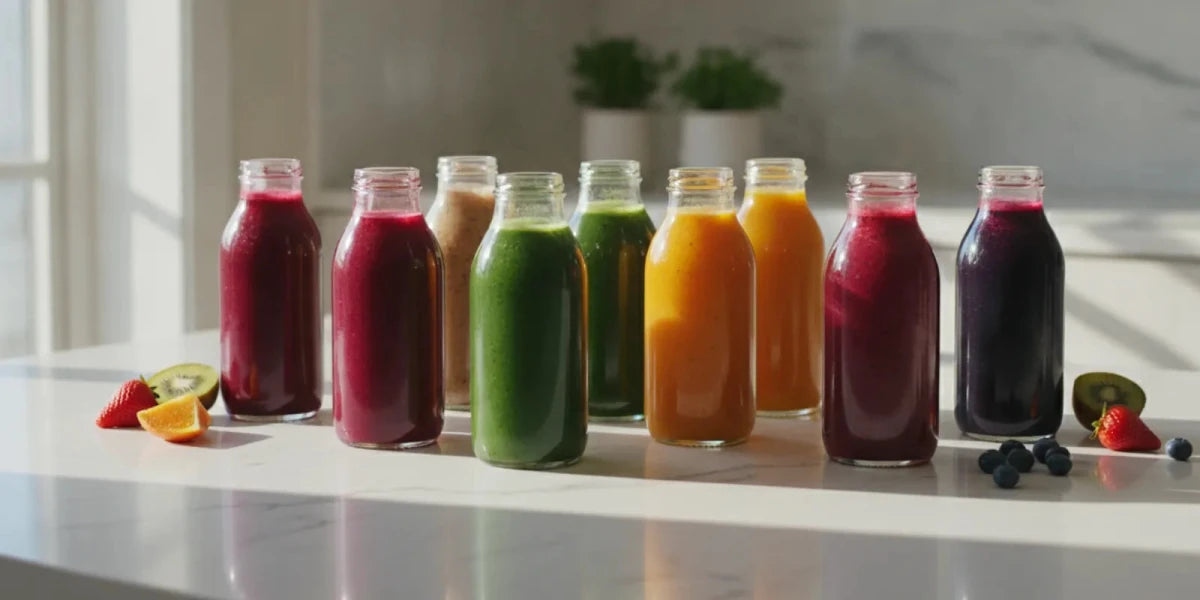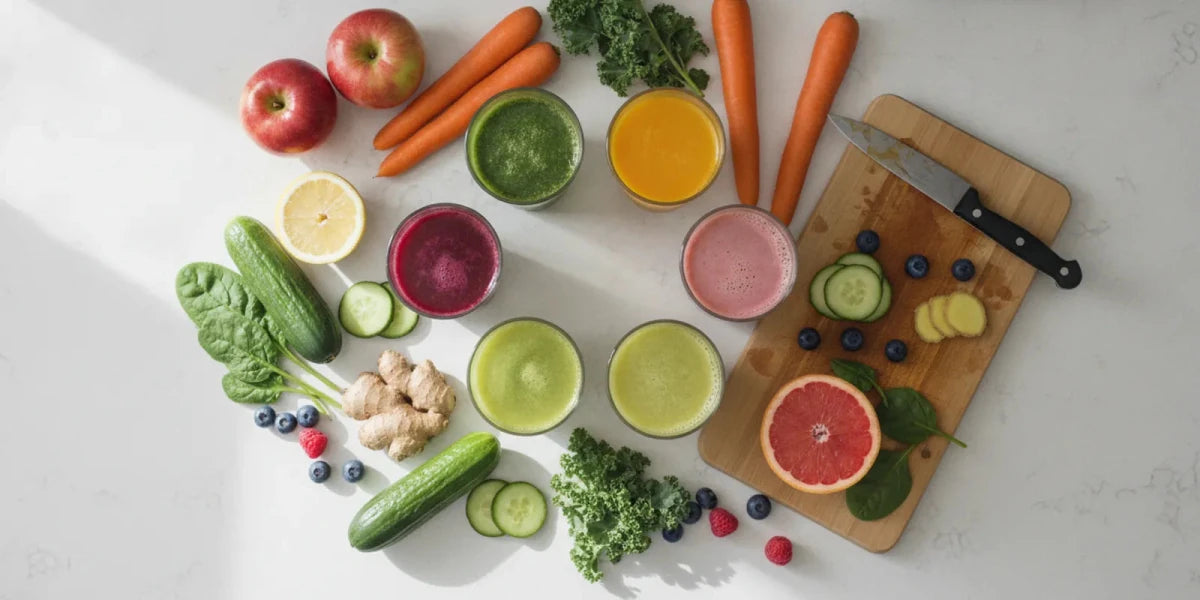
Seven-day juice cleanse recipes are easiest to plan when you treat them as a collection of fresh flavor ideas, not as a one-size-fits-all, juice-only meal plan. Below, you’ll find seven simple recipes, a practical way to arrange them across a week, and options for pairing juice with regular meals.
What should 7 day juice cleanse recipes include?
A useful week of juice recipes has variety: different produce, flavor profiles, and textures, plus enough flexibility to suit your own kitchen and preferences. The plan here offers one juice idea for each day. It is not a medical protocol or a recommendation to consume only juice for seven days. Juice recipes do not replace individualized nutrition advice, and a juice-only plan may not provide the range of foods or nutrients a person needs.
If you have a health condition, take medication, are pregnant or nursing, or have specific nutrition needs, speak with a qualified health professional before making a major change to how you eat. You can also use these recipes as occasional drinks alongside meals, rather than as a cleanse.
The recipes use common produce and are written for a home juicer. Produce size and juicer yield vary, so expect about one serving per recipe rather than an exact volume. Wash produce under running water, remove pits and inedible peels, and follow your juicer’s instructions. The USDA food-safety guidance recommends washing fresh produce and refrigerating cut items promptly. If you do not own a juicer, make a smoothie instead or choose a prepared juice that fits your preferences.
Think of the week as a flavor map rather than a strict calendar. You can prepare the Day 4 green combination on Monday if that is when spinach is freshest, repeat a favorite, or skip an ingredient that does not suit you. The value of the outline is that it removes the daily question of what to combine; it does not require drinking a particular juice at a particular hour.
How can you plan 7 day juice cleanse recipes across one week?
Start by choosing flavors you enjoy, then make a short shopping list based on what you already have. The schedule below spreads sweet, tart, earthy, and herbal combinations across the week so the same flavor does not appear every day. A sample seven-day juice schedule also emphasizes planning and varying flavors; use that idea as a starting point, not a strict prescription.
| Day | Recipe | Main flavor | Simple pairing idea |
|---|---|---|---|
| 1 | Apple, cucumber, and lemon | Crisp and tart | Try with breakfast or as an afternoon drink. |
| 2 | Carrot, orange, and ginger | Bright and gently spicy | Serve with a meal or snack. |
| 3 | Pineapple, cucumber, and mint | Sweet and cooling | Pour over ice alongside lunch. |
| 4 | Apple, spinach, and lime | Fresh and lightly tart | Enjoy with a regular meal. |
| 5 | Beet, apple, and lemon | Earthy and tangy | Make a small serving to test the flavor. |
| 6 | Grapefruit, carrot, and ginger | Citrusy and bold | Pair with food; check medication guidance for grapefruit. |
| 7 | Pear, cucumber, and basil | Mild and herbal | Serve chilled as a weekend drink. |
Use the pairings as ideas, not rules. If you want a more substantial routine, keep regular meals and snacks in place. For more ways to structure a week, compare PUR’s three-day, five-day, and seven-day plan pages and review what each option includes before choosing.
When you decide which day to make each recipe, check the condition of your produce and work with what is ripe. Use delicate spinach, basil, and mint earlier in the week, while apples, carrots, and citrus can anchor several combinations. If one ingredient is sold only in a larger amount, choose a second recipe that uses it rather than buying more than you can use. You can also make a half batch to test a new flavor before preparing a full glass.
What are the seven juice recipes?
Day 1: Apple, cucumber, and lemon
Ingredients: 1 crisp apple, ½ cucumber, and ½ lemon, peeled if needed for your juicer. Method: Wash the produce, cut it into pieces that fit your machine, and juice. Stir and taste. Add the other half of the lemon only if you prefer a sharper drink.
This is a simple first recipe because it balances apple sweetness with cucumber’s mild flavor and lemon’s tartness. Adjust the proportions rather than adding sweetener. A pinch of fresh mint can add a different aroma if you have it on hand.
Make it your own: If the lemon dominates, add a little more cucumber or apple in the next batch. If the drink tastes too mild, squeeze a small amount of lemon into the finished juice and taste again. Adding citrus at the end gives you more control than changing the whole batch.
Day 2: Carrot, orange, and ginger
Ingredients: 2 medium carrots, 1 peeled orange, and a small piece of fresh ginger. Method: Scrub the carrots, peel the orange if your appliance calls for it, and juice with the ginger. Start with a small amount of ginger; it can quickly take over the drink.
For a milder version, use less ginger or add another orange segment. If your juicer is not designed for citrus peel, remove it first. This bright combination works well in a small glass, especially if bold flavors are new to you.
Make it your own: Keep a small piece of ginger aside instead of feeding it all into the machine at once. Taste the juice, then add more only if you want more warmth. This is useful when the root is especially pungent or when you are making a drink for someone else.
Day 3: Pineapple, cucumber, and mint
Ingredients: 1 cup pineapple chunks, ½ cucumber, and 4 to 6 mint leaves. Method: Juice the pineapple and cucumber, then stir in the mint. If your juicer handles leafy herbs well, run the mint through with a cucumber piece; otherwise, muddle it lightly and strain it out before serving.
Fresh pineapple can be sweet, so begin with the listed amount and adjust the cucumber to taste. Chilling the ingredients before juicing can make the finished drink feel especially refreshing without changing the recipe.
Make it your own: Bruise the mint leaves gently between clean fingers before stirring them in to release their aroma. Avoid crushing them into a paste, which can make the drink taste grassy. If you are using pre-cut pineapple, check that it is fresh and has been stored according to its package directions.
Day 4: Apple, spinach, and lime
Ingredients: 1 apple, 1 packed cup of washed spinach, and ½ lime with peel removed. Method: Roll the spinach leaves into a compact bundle and alternate them with apple pieces in the juicer. Add lime, stir, and taste.
The apple and lime give the leafy flavor a sweet-tart contrast. If you are new to green juice, use a smaller amount of spinach first, then increase it in a later batch if you like the taste. Do not assume every green juice has the same ingredients or nutrition; check the recipe or product label.
Make it your own: Feed the spinach between pieces of apple instead of adding a loose handful by itself. Alternating ingredients can help the juicer process the leaves. If the lime feels too sharp, add more apple next time; if the leafy taste is stronger than you like, reduce the spinach and keep the rest of the recipe unchanged.
Day 5: Beet, apple, and lemon
Ingredients: ½ small beet, 1 apple, and ½ lemon. Method: Scrub the beet well and trim the ends. Cut it into pieces sized for your juicer, then juice with the apple and lemon. If the earthy flavor is strong for you, start with a smaller piece of beet.
Beet can stain hands and cutting boards, so protect surfaces while preparing it. The apple rounds out the flavor, while lemon adds tartness. This recipe is a good reminder that a colorful drink is not automatically a complete meal.
Make it your own: Start with a small beet portion and note how it changes the color and taste. Add more only in a later batch if you enjoy the earthier note. Use a washable cutting board or rinse the board promptly after cutting to make cleanup easier.
Day 6: Grapefruit, carrot, and ginger
Ingredients: ½ peeled grapefruit, 1 medium carrot, and a small slice of ginger. Method: Juice the carrot with the grapefruit and ginger, then taste before adding more citrus. Grapefruit can affect how some medicines work. If you take medication, check with a pharmacist or clinician before choosing this recipe and review the FDA guidance on grapefruit juice and drug interactions.
If grapefruit is not a fit for you, substitute an orange or use the apple-and-cucumber combination from Day 1. That simple swap keeps the citrus note without making the recipe a requirement.
Make it your own: Grapefruit can vary in tartness, so begin with half and adjust after tasting. If you want to avoid it, choose the orange substitution and keep the carrot and ginger amounts modest. A substitution is a practical way to keep the weekly plan flexible, not a reason to force an ingredient.
Day 7: Pear, cucumber, and basil
Ingredients: 1 ripe pear, ½ cucumber, and 3 to 5 basil leaves. Method: Wash and cut the pear and cucumber, then juice them. Stir in basil or juice it with a cucumber piece if your machine can process herbs. Taste before adding more leaves.
Pear gives this recipe a gentle sweetness, while basil adds a fragrant finish. Use a firm, ripe pear that feeds easily through your juicer. If the result is too sweet, add a little more cucumber rather than sweetener.
Make it your own: Choose a pear that is ripe enough to smell fragrant but still firm to handle. Tear or bruise the basil before stirring it in, then let the drink sit briefly and taste again. Herbs can become more noticeable as their aroma opens, so add them gradually.
Related products


A convenient way to pair greens and protein in one bottle.
View product
Pur Greens Cold-Pressed Juice delivers a refreshing blend of organic greens with a crisp, smooth taste.
View productHow do you shop and prep for the week?
Plan around produce you can use in more than one recipe. Apples, cucumbers, citrus, and ginger appear in several combinations, which can make a shopping list easier to manage. Buy smaller amounts of delicate herbs and leafy greens if you are unsure you will use them all.
- Write the list by ingredient. Add up the apples, cucumber, citrus, and other produce across the recipes instead of shopping one recipe at a time.
- Choose substitutions before shopping. Swap grapefruit for orange, or basil for mint, based on your preferences and what is available.
- Prep only what you can store safely. Wash produce before use and follow food-safety guidance for handling and storage. Cut produce as close to juicing as practical.
- Keep recipes flexible. If a flavor is too strong, use less of the ingredient that dominates. There is no need to finish a recipe you do not enjoy.
- Check labels for prepared options. Ingredient lists and serving details can vary. Review the current product information rather than assuming a prepared juice matches a homemade recipe.
A little organization can reduce waste without requiring a full week of advance preparation. Before shopping, count how many times each ingredient appears and compare that with what is already in your kitchen. Mark the herbs and greens that should be used first. Keep whole produce in the appropriate storage conditions, and wash and cut it close to the time you plan to juice. If you do wash items ahead, dry and store them in a clean container according to safe food-handling guidance.
On a busy day, make only the amount you expect to drink and clean the juicer according to its manual. If you prepare juice ahead, follow the appliance maker’s and food-safety guidance for prompt refrigeration and storage; do not assume homemade juice keeps for a set number of days. A simple note beside the recipe, such as “less ginger next time” or “use half the lime,” helps you adjust without guessing when you make it again.
If you prefer not to shop, wash, and prepare produce yourself, you can browse PUR’s daily juice kits or juice discovery kit. For a wider assortment, compare the available juice and product options. Check each current product page for ingredients and other details before ordering.
How should you adapt the plan to your routine?
Use the recipes in the format that works for you. You might make one juice on a weekend morning, alternate homemade drinks with your usual breakfast, or choose a single recipe to repeat. A seven-day schedule does not have to mean seven days of the same routine, and it does not need to be followed exactly.
It can help to decide what you want the recipes to do in your routine before you start. If you want to try unfamiliar produce, make one small batch at a time and keep the rest of your meals as usual. If your main obstacle is preparation time, choose a recipe with ingredients you already own or look at prepared options. If you enjoy experimenting, use the chart as a flavor guide and change one ingredient at a time so you can tell what you prefer.
Think through a typical day, too. A morning recipe may need to be quick to assemble, while an afternoon drink can be prepared when you have time to wash and cut produce. Set out the juicer and a clean glass before starting, and keep a short list of ingredients to replace after each use. These small steps make the recipes easier to repeat without turning the week into a rigid project.
If your goal is a structured product plan, read the included items and serving instructions carefully. PUR has cleanse options and a juice cleanse guide that can help you review choices. If you are comparing a juice-only approach with a more flexible routine, consider the wellness quiz as another way to explore the available options. Product selection is a personal preference, not a substitute for professional advice.
Homemade recipes and prepared juices solve different practical problems. A home juicer gives you control over ingredient proportions and lets you use produce on hand, but it also requires shopping, preparation, and cleanup. A prepared kit can simplify those steps, but its ingredients, servings, and instructions are product-specific, so review the current details before ordering. Neither format has to define your entire eating routine; choose the approach that fits your schedule and preferences.
Frequently asked questions
Can I follow these recipes as a juice-only plan for seven days?
These are recipe ideas, not instructions for a juice-only week. Juice alone may not provide the variety of foods or nutrition that an individual needs. For a major change to your eating pattern, discuss it with a qualified health professional, especially if you have health needs or take medication.
Can I make the juice recipes in a blender?
Yes, but the texture will be different because a blender keeps the pulp. Blend the prepared ingredients with a little water if needed, then strain only if you prefer a thinner drink. Follow your blender’s instructions and avoid adding ingredients that do not suit your needs.
Can I swap ingredients?
Yes. Use an ingredient with a similar flavor role: orange for grapefruit, pear for apple, or mint for basil. Make small changes and taste as you go. If you have an allergy, avoid the ingredient and check labels on any prepared product.
How do I choose a prepared juice or kit?
Read the current ingredient list, serving information, and product instructions. PUR’s FAQ page may answer general product questions; contact PUR directly if you need help with a specific selection.
Do I need to make a different recipe every day?
No. The seven ideas are there to offer variety, not to set a required daily schedule. Repeat a recipe you like, make a smaller batch, or take a day off from juicing. If you are making a substantial change to your usual eating pattern, get individualized guidance from a qualified health professional.
A week of juice recipes can be a straightforward way to explore different flavors, whether you make one drink or several. Choose combinations you enjoy, keep the plan flexible, and make decisions about a major dietary change with qualified guidance.