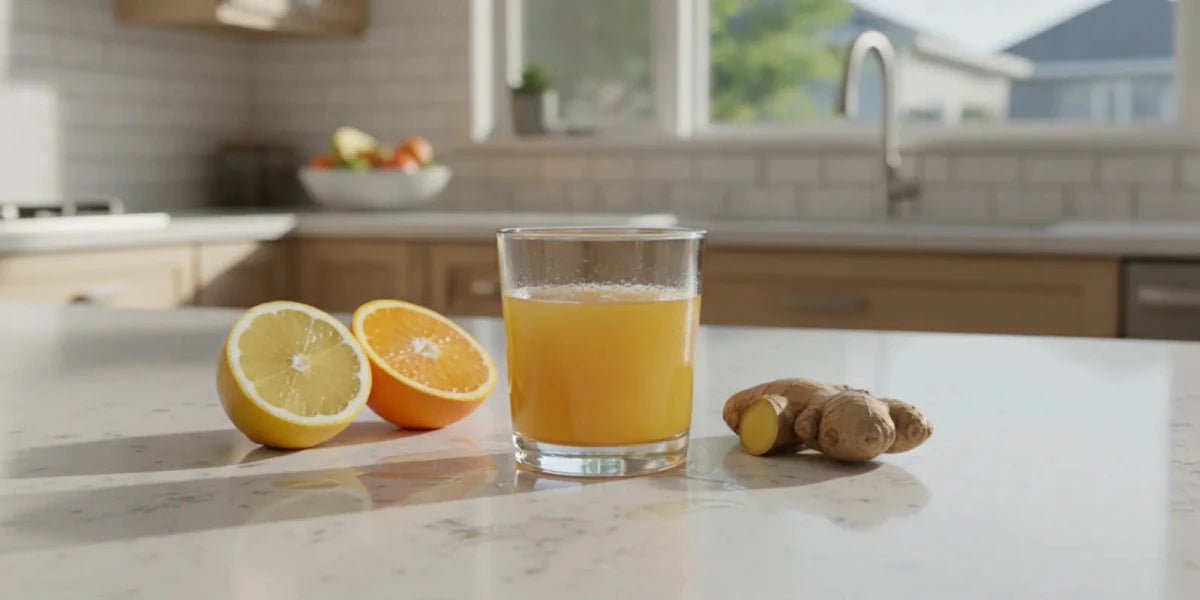
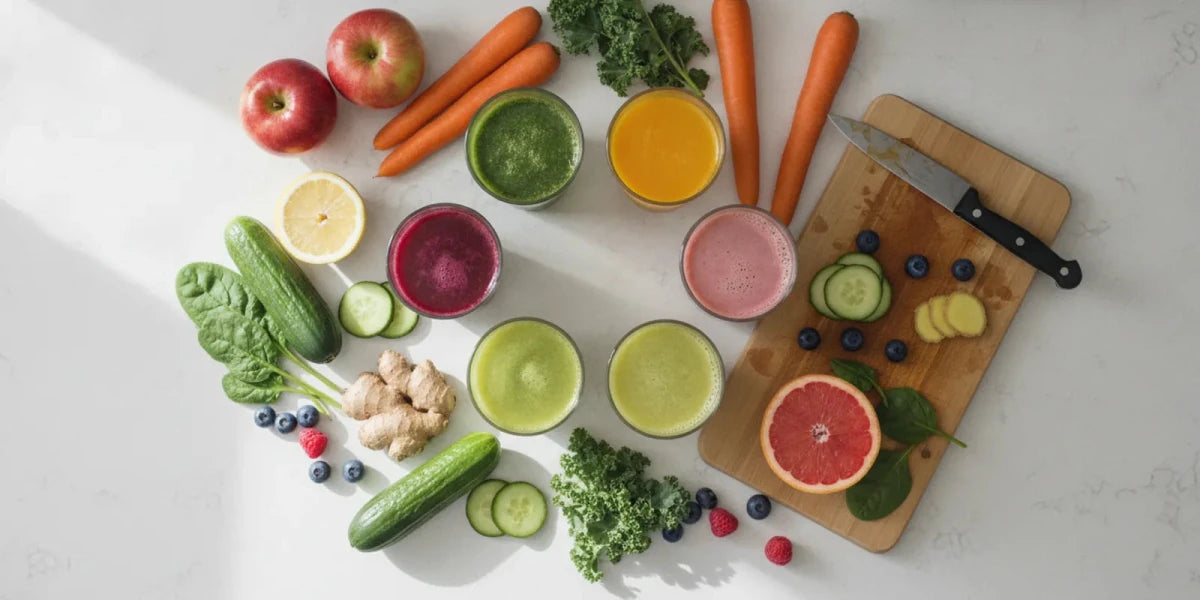
Three-day juice cleanse recipes are easiest to plan when you choose a small set of fruit-and-vegetable combinations, prepare your shopping list in advance, and decide what the routine will include beyond juice. The ideas below are flavor-focused starting points, not a prescribed nutrition plan or a guarantee of any health result.
Ask PUR about choosing a juice option
How should you plan 3 day juice cleanse recipes?
A useful plan starts with preferences and practical limits: which flavors you enjoy, whether you have a juicer, how much time you want to spend preparing produce, and whether a juice-only routine is appropriate for you. The combinations here are recipes for fresh juice, not a complete meal plan. They do not specify daily calories or promise a particular result.
For a more balanced approach, some people prefer to include regular meals and use juice as one part of their day rather than treating juice as their only food. If you are considering a restrictive change, have a health condition, take medication, are pregnant or breastfeeding, or have a history of disordered eating, speak with a qualified healthcare professional first. A clinician can help you decide what is appropriate for your circumstances.
Research on fruit and vegetable juice examines a range of naturally occurring compounds, but findings about juice-based diets do not establish that one short menu is right for everyone. A review in the National Library of Medicine’s discussion of vegetable and fruit juice-based diets describes compounds such as polyphenols and oligosaccharides and uses qualified language about potential effects. It is not a personalized recommendation for a cleanse.
How do you build the recipes?
Each recipe below makes a flavor combination for roughly one serving, though actual yield varies with produce size and your juicer. Wash produce under running water before cutting. Remove pits and any inedible peel, and follow your juicer’s instructions. Add water only if your equipment permits it and you want a lighter texture. The fruit and vegetable combinations are suggestions: change or skip an ingredient if you dislike it or it does not suit your needs.
Home juicing differs from buying prepared juice. It requires shopping, washing, cutting, juicing, and cleaning equipment. Do not assume a homemade combination has the same ingredients, serving size, nutrition, or storage life as a packaged product. For examples of how fruit and vegetables can be paired in juice, see the University of Wisconsin–Madison Osher Center’s juicing recipe resource.
What are three days of juice recipe ideas?
Use these combinations as a menu of options, not a rule that you must drink only juice. The selection moves between green, citrus, and fruit-forward flavors so you can plan variety. Make only what you can handle safely and comfortably, and keep the ingredients and preparation method consistent with your own dietary needs.
Day one: start with familiar flavors
- Green apple and cucumber: 1 cucumber, 1 green apple, 2 celery stalks, and a small handful of spinach. This is a crisp, mild combination. Add a little lemon if you enjoy a tart finish.
- Carrot, orange, and ginger: 3 carrots, 1 peeled orange, and a small piece of fresh ginger. Start with less ginger; its flavor can become prominent quickly.
- Beet, apple, and lemon: 1 small beet, 1 apple, and half a lemon with the peel removed. Beet has an earthy flavor, while apple and lemon add tart-sweet notes.
Try one combination at a time if you are unsure which flavors you like. You can also make a smaller test batch before purchasing enough produce for several days.
Day two: balance leafy and bright notes
- Spinach, pear, and cucumber: 1 pear, half a cucumber, and a handful of spinach. This has a softer, less sharp profile than a citrus-heavy blend.
- Pineapple, carrot, and lime: 1 cup pineapple chunks, 2 carrots, and half a lime with the peel removed. Use less pineapple or more carrot to adjust the sweetness and acidity to your taste.
- Celery, green apple, and lemon: 3 celery stalks, 1 green apple, and a squeeze of lemon. This simple combination keeps the ingredient list short.
Day three: repeat favorites or try a new pairing
- Carrot, apple, and cucumber: 2 carrots, 1 apple, and half a cucumber. It is a straightforward option if you want to use overlapping produce from earlier recipes.
- Orange, carrot, and spinach: 1 peeled orange, 2 carrots, and a small handful of spinach. The orange gives the blend a clear citrus note.
- Pear, cucumber, and ginger: 1 pear, half a cucumber, and a small piece of ginger. Adjust the ginger to taste, or leave it out.
These are ingredient pairings rather than a tested nutrition prescription. Produce size, ripeness, equipment, and personal taste affect the flavor and amount of juice. If a recipe does not suit you, choose another combination or stop. There is no need to finish a drink simply because it appears on a plan.
What should you buy for 3 day juice cleanse recipes?
The recipes share ingredients, so a consolidated list can help limit waste. If you make all nine combinations, the listed amounts add up to about 2 cucumbers, 4 apples, 7 carrots, 5 celery stalks, 2 oranges, 2 pears, 1 small beet, 1 cup of pineapple chunks, 1 lemon, 1 lime, 2 small pieces of ginger, and several handfuls of spinach. Exact shopping amounts depend on produce size, yield, and which recipes you actually choose.
Use this list as a starting point, not a requirement to make every recipe. Pick three to six combinations you expect to enjoy, then adjust your quantities. Check that produce is fresh and free of visible spoilage. Wash it before preparation, and keep cut produce and freshly prepared juice refrigerated. Follow your juicer’s safety directions and your local food-safety guidance. If you are not sure how long a homemade juice should be stored, prepare a smaller amount and drink it promptly rather than relying on a general shelf-life estimate.
Related products


This cold-pressed strawberry juice blends fresh strawberries, lemon, and basil for a crisp and refreshing taste.
View product
Select six juices, lemonades, or mylks per day
View productHow can you make the plan practical?
- Choose your format first. Decide whether you want to juice at home, include juice alongside meals, or explore a prepared juice routine. A three-day label alone does not tell you what to eat or whether the format is suitable.
- Test flavors before scaling up. Make a small batch of one or two combinations. Note what you liked, what was too sweet or tart, and whether you would make it again.
- Plan around your actual schedule. Consider when you can shop, prepare ingredients, clean your equipment, and refrigerate what you make. If those steps do not fit your week, a recipe list may not be the most convenient option.
- Keep the shopping list flexible. Swap ingredients you dislike, use produce in more than one recipe, and avoid buying a large amount of an ingredient just for a single experiment.
- Review product information carefully. If you choose prepared juice, check the current ingredient and nutrition details for the specific item. PUR’s nutrition analysis page and juice cleanse FAQs are useful places to look for product-specific information. Confirm the current details before ordering.
How can you adjust the flavor without changing the whole plan?
Think about each recipe as a starting ratio, not a fixed formula. If a blend tastes too sweet, reduce the fruit in your next batch or use more of the cucumber or leafy greens already on your list. If it tastes too sharp, try less lemon or lime. When ginger dominates, use a smaller piece or leave it out. Adjust one ingredient at a time so you can tell which change made the difference.
Texture also depends on the produce and the machine. Some juicers handle leafy greens differently from firm produce, so follow the equipment instructions and try feeding a leafy ingredient between pieces of firmer produce only if your juicer manual recommends it. Do not force ingredients into the machine. If a combination yields less juice than expected, treat that as normal variation, not a reason to add a large amount of another ingredient without tasting first.
Keep flavor preferences and dietary needs separate. A substitution that improves taste may still not suit someone with an allergy or another dietary restriction. Check each ingredient before using it. If you are making juice for someone else, ask what ingredients they are comfortable having rather than assuming they will like a particular blend.
How should you organize shopping and preparation?
Make a short list of the recipes you actually plan to try, then combine repeated ingredients before shopping. This helps you avoid buying nine separate sets of produce when several recipes share apples, carrots, cucumbers, or greens. Choose produce that you can use in other meals if you decide not to make every juice. Keep the receipt and packaging information for any prepared items you buy, and check the current instructions for storage and handling.
On the day you make a recipe, set out the juicer, cutting board, and ingredients before you start. Wash the produce, prepare only what your equipment requires, and clean the machine according to its manual. If your schedule is unpredictable, you may prefer to make a smaller amount at a time rather than preparing several days' worth in advance. Keep prepared juice refrigerated, and use it promptly; the ingredient combinations here do not establish a validated storage period.
A simple planning note can prevent confusion: write down which combination you made, any ingredient changes, and whether the taste worked for you. That record helps you repeat a favorite or revise one part of a recipe next time. It also keeps the menu flexible instead of turning three days of recipe ideas into a rigid checklist.
Homemade recipes or a prepared three-day option?
The better fit depends on what you want to manage yourself. Making juice at home gives you control over ingredient combinations, but it also means sourcing produce and doing the preparation and cleanup. A prepared program can reduce those steps, but it is important to check the current product details and decide whether its format fits your needs. Neither option should be treated as a guaranteed route to a health outcome.
| Consideration | Homemade recipe plan | Prepared juice option |
|---|---|---|
| Ingredient choice | Choose combinations and adjust them to taste. | Review the current ingredient information for each product. |
| Preparation | Shop, wash, cut, juice, and clean your equipment. | Check the product’s handling instructions and the current delivery details before ordering. |
| Planning | Estimate quantities and make a shopping list. | Compare the program format and duration with your preferences. |
| Flexibility | Change a recipe or make a smaller batch. | Choose among the available options, then follow the product’s directions. |
| Information to check | Food handling, produce freshness, and your own dietary needs. | Ingredients, nutrition details, storage guidance, and current terms. |
If you want to compare prepared formats, PUR lists three-day cleanse information and a broader cleanse collection. You can also explore a juice discovery kit or look at daily juice kits if you are not looking for a multi-day program. Use the live product pages to confirm what is currently offered.
When should you pause and ask for guidance?
A juice recipe list cannot account for each reader’s health, medications, energy needs, allergies, or dietary restrictions. Check ingredients for anything you need to avoid. Talk with a qualified healthcare professional before making a major dietary change if you have a medical condition, take prescription medication, are pregnant or breastfeeding, or have a history of disordered eating. Seek advice tailored to you rather than relying on a general online menu.
Also, do not interpret a three-day plan as a requirement to ignore discomfort or skip food. Stop the plan if you feel unwell, and seek medical advice when needed. A routine should be practical and appropriate for the person following it.
Explore PUR juice cleanse options
Frequently asked questions
Can I use these combinations in a juicer at home?
Yes, the pairings are intended as home-juicing ideas. Wash produce, remove pits and inedible peel, and follow your juicer’s instructions. Yield and texture vary by equipment and produce.
Are these recipes a complete meal plan?
No. They are flavor combinations, not a complete nutrition plan or a prescription to consume juice alone. Decide what is appropriate for your diet with a qualified professional if you have questions about a restrictive routine.
Can I change the fruit and vegetables?
Yes. Adjust the combinations to taste and to your needs. Start with small test batches, and do not use ingredients that you need to avoid.
Should I make all nine recipes?
No. Pick a few combinations that appeal to you and make a smaller shopping list. Repeating a favorite is simpler than buying every ingredient for a single use.
What if I prefer not to juice at home?
Compare prepared options by their current ingredients, nutrition information, format, and instructions. PUR’s juice cleanse guide offers another place to begin your research.
Plan around your preferences, verify details for the specific option you choose, and treat these recipes as flexible ideas rather than rules.