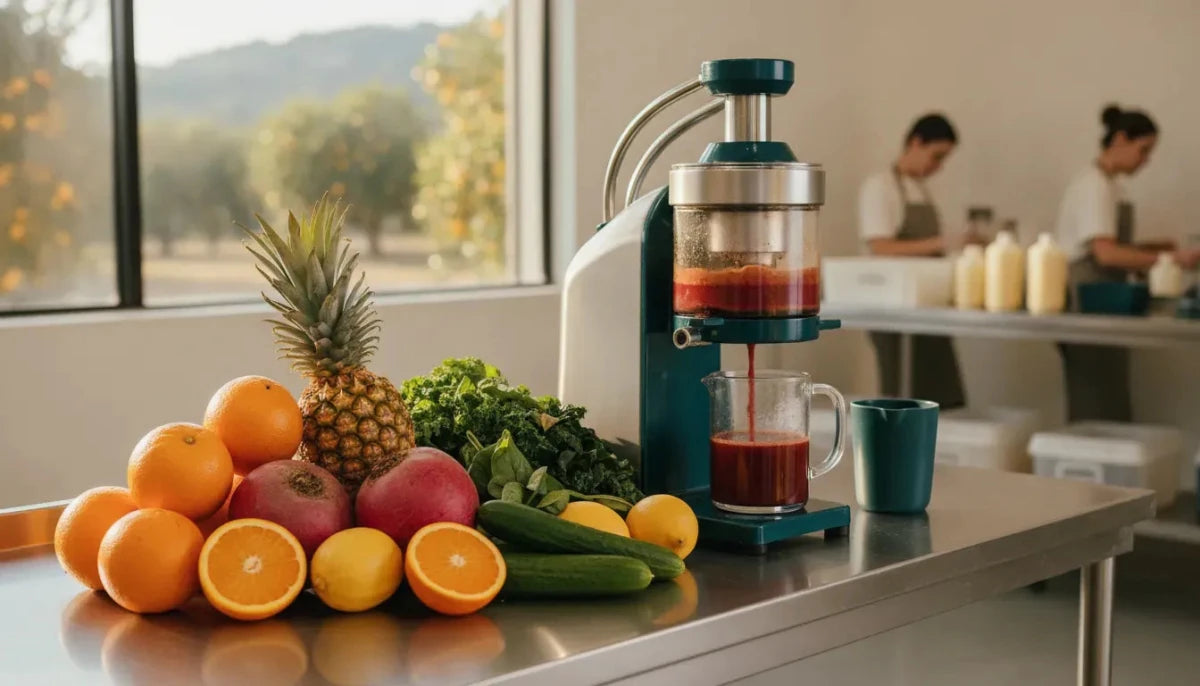
Learning how to do a juice cleanse is less about following an extreme plan and more about creating a simple, well-organized routine. Choose a realistic length, prepare your schedule, keep juice cold, pay attention to how you feel, and plan what you will eat afterward. This guide explains the process from start to finish so you can make an informed choice.
Ready to explore your options? Browse PUR juice cleanses to compare available programs and lengths.
What is a juice cleanse?
A juice cleanse is a short-term eating pattern centered on fruit and vegetable juice. Some programs are juice-only, while others include a meal, protein blend, nut milk, or other additions. A cleanse may last one day or several days, depending on the program and the person's goals.
People often start a cleanse because they want structure after a period of irregular eating, an easy way to add more produce, or a convenient reset to their routine. Those are reasonable lifestyle motivations. A juice cleanse is not a medical treatment, a substitute for professional nutrition care, or a guaranteed way to remove toxins, change body composition, or cure a health concern.
The most useful mindset is practical: a cleanse is a temporary routine that can help you pay attention to what you consume. It should not be treated as a test of willpower or a promise of dramatic results. Your body already has systems that process waste, including the liver, kidneys, digestive tract, lungs, and skin.
What a juice cleanse can and cannot do
Before you begin, separate the experience from the claims sometimes used to market it. A short cleanse can make it easier to avoid restaurant meals, alcohol, and unplanned snacks for a few days. It can also give you a convenient serving of fruits and vegetables in a portable format. Some people appreciate the structure and the opportunity to reflect on their habits.
That does not mean a cleanse detoxifies the body or guarantees more energy, better digestion, fat loss, or improved immunity. The National Center for Complementary and Integrative Health explains that evidence for detox and cleanse diets is limited, and some programs can be unsafe. Read its overview of detoxes and cleanses before making a decision.
- Reasonable expectation: You may find a temporary, structured way to consume juice and simplify meals.
- Unreasonable expectation: A cleanse will remove unspecified toxins, treat disease, or produce guaranteed weight loss.
- Better long-term goal: Build repeatable habits around balanced meals, hydration, sleep, movement, and a variety of whole foods.
Who should check with a healthcare professional first?
A juice-only plan can be restrictive. Talk with a physician, registered dietitian, or another qualified healthcare professional before changing your intake if you are pregnant or breastfeeding, under 18, managing diabetes, living with kidney or heart disease, taking medication that depends on regular meals, recovering from an illness, or managing a history of disordered eating.
You should also ask about your plan if you have been told to follow a specific diet, need a certain amount of protein or electrolytes, have a food allergy, or are unsure whether raw juice is appropriate for you. A healthcare professional can help you decide whether juice fits your needs and whether a juice-plus-meal approach is more suitable.
Raw or unpasteurized juice needs extra care. The FDA notes that untreated juice can contain harmful bacteria and may be especially risky for children, older adults, pregnant people, and people with weakened immune systems. Its juice safety guidance explains what to look for when buying or preparing juice.
This article is general education, not personal medical advice. If you feel faint, confused, unusually weak, or seriously unwell, stop the cleanse and seek appropriate medical care. Do not try to push through concerning symptoms.
How to choose a cleanse length
There is no universally correct cleanse length. The best choice is the shortest option that fits your experience, schedule, nutritional needs, and professional guidance. A longer cleanse is not automatically more effective, and it is not a better measure of commitment.
| Length | Who may prefer it | Planning focus |
|---|---|---|
| One day | Someone who wants to try a structured juice routine without committing to several days | Keep the day simple, avoid demanding travel or events, and plan a balanced meal for the next day |
| Three days | A first-time customer who wants a defined short routine | Prepare meals in advance, reduce schedule friction, and decide how you will transition back to food |
| Five days | Someone familiar with short cleanses who has a calm, supportive schedule | Arrange enough rest, keep storage organized, and reassess your energy and comfort each day |
| Seven days | Someone choosing a longer program with appropriate professional guidance | Have a clear stop plan, support at home, and a transition plan that does not rely on a celebratory heavy meal |
PUR offers cleanse programs in several lengths, including three, five, and seven days on its Signature Juice Cleanse page. The exact assortment, ingredients, and current instructions can change, so review the live product page and package information before ordering.
How to prepare for a juice cleanse
Preparation is where most of the practical work happens. A few small decisions before day one can make the experience calmer and help you avoid treating the cleanse like an emergency.
Three days before
- Reduce alcohol, highly processed foods, and meals that you already know leave you uncomfortable.
- If you drink caffeine every day, taper gradually instead of making an abrupt change that could make you feel worse.
- Eat regular meals with foods you tolerate well. Preparation is not a reason to skip meals or begin restricting early.
- Drink water regularly and keep a reusable bottle nearby.
- Choose your cleanse length and place the start and end dates on your calendar.
The day before
- Read the ingredient list and storage instructions for every product.
- Make space in the refrigerator or freezer so bottles are easy to find.
- Plan low-demand activities and avoid starting before a major trip, competition, celebration, or unusually long workday.
- Tell the people you live with what your schedule will look like so meals and social plans are not a surprise.
- Prepare the first meal you expect to eat after the cleanse. A simple option is easier to manage than an unplanned feast.
If you want to sample flavors before committing to a multi-day plan, a cleanse discovery kit can be a practical way to learn what you enjoy. It is still important to verify the current ingredients and serving instructions before use.
What to have ready
A cleanse does not need complicated equipment. The essentials are a safe storage plan, a way to track what you have consumed, and food for the transition afterward.
- Refrigerator or freezer space that follows the product's storage directions
- Clean glasses or a reusable bottle, if the package instructions allow pouring into one
- Water and unsweetened beverages that fit your personal plan
- A simple calendar or note with the order of your juices
- Balanced foods for the first meals after the cleanse
- A backup plan if you decide the routine is not working for you
For a more personalized assortment, review PUR's Build Your Own cleanse and kit options. Customization can make a plan easier to follow, but it does not remove the need to check whether the overall routine meets your nutritional needs.
Related products


Ready to explore the full range of PUR Cold Pressed juices?
View product
The Signature Mini Cleanse provides a 3-day detox with fresh, cold-pressed juices.
View productHow to do a juice cleanse: a simple daily routine
Once the cleanse begins, follow the product's serving guidance instead of trying to drink everything at once. Many full PUR cleanses are organized around six juices per day, but your program may differ. Use the package instructions as the source of truth for the actual assortment and order.
Want a structured starting point? Explore the PUR Signature Juice Cleanse and choose the program length that fits your schedule.
Sample structure for a six-juice day
The following is a planning example, not a medical prescription. Adjust the timing around your normal wake time and the instructions for your selected program.
- Start of day: Drink water and give yourself time to wake up before the first juice.
- Morning: Have the first juice, then a second juice later in the morning rather than rushing both.
- Midday: Use a juice as your planned midday serving and pause to check your energy and comfort.
- Afternoon: Keep the next bottle available so you are not tempted to skip all afternoon and overcorrect later.
- Early evening: Have the next serving at a comfortable pace and keep the evening low stress.
- Later evening: Finish according to your package instructions, leaving time for water, rest, and sleep.
Some people prefer a clock-based schedule, while others space servings by appetite and daily commitments. A schedule is useful because it reduces decision fatigue, but it should not override your body's signals or professional guidance.
Make the routine easier
- Keep the next bottle visible and the rest stored safely according to the label.
- Shake or handle each product as instructed. Do not assume every juice has the same storage or serving requirements.
- Use a small cooler for an approved short period only if the product directions support it.
- Keep plans flexible. If a work meeting runs late, move the routine rather than turning it into a speed-drinking challenge.
- Choose gentle activities such as walking, stretching, or mobility work unless your healthcare professional advises otherwise.
- Protect your sleep. A cleanse is not a good time to add a demanding training block or a series of late nights.
What to drink and eat during a cleanse
Follow the rules of the specific program you chose. Some cleanses are juice-only. Others include a meal, nut milk, protein, or additional items. Do not assume that adding supplements, laxatives, herbs, or large amounts of another beverage will improve the experience.
Water is commonly part of a hydration routine, but individual needs vary. Ask a healthcare professional if you have a fluid restriction or a condition affected by hydration. Unsweetened tea may fit some routines, while coffee, alcohol, and highly sweetened drinks may not. If you are unsure, use the program instructions and professional advice rather than online rules.
A juice-only pattern is naturally limited in fiber, protein, and fat compared with a balanced meal. That is one reason a shorter, carefully considered plan may be preferable to extending a cleanse on your own. If you need more complete nutrition, consider a juice-plus-meal product or a balanced whole-food routine instead. PUR's protein cleanse is one product option to review, but confirm ingredients and suitability for your needs.
How to handle common discomforts
Some people notice hunger, a headache, fatigue, changes in bowel habits, or irritability when they change their normal intake. Those signs are not proof that a cleanse is working. They are information that your body is responding to a change.
- Hunger: Recheck whether you chose a plan that includes enough food for your needs. Do not treat intense hunger as a contest.
- Headache: Consider whether caffeine changed abruptly, whether you have eaten enough, or whether you need professional advice. Stop if the symptom is severe or worsening.
- Fatigue: Reduce demands, rest, and reassess the plan. Avoid driving or operating equipment if you feel impaired.
- Digestive changes: Temporary changes can happen when intake changes, but persistent, severe, or alarming symptoms need medical attention.
- Dizziness or faintness: Stop the cleanse, sit or lie down safely, and seek appropriate care, especially if symptoms do not quickly resolve.
Never use a cleanse to compensate for eating, to punish yourself, or to meet a scale target. A supportive routine should leave room for flexibility and self-respect.
Food safety and cold storage
Cold-pressed juice can be fresh and convenient, but freshness does not eliminate food safety considerations. Check the label for storage and use-by instructions. Keep products cold as directed, avoid leaving them in a warm car, and do not consume a bottle that smells, looks, or tastes spoiled.
PUR describes its juice as raw and unpasteurized, with no HPP or heat treatment, and uses cold delivery for its products. That production approach is part of the brand's freshness positioning, but it also makes following handling instructions important. Confirm current product details on the label and product page because storage guidance is product-specific.
For general context, the FDA explains that raw produce can carry bacteria into juice and that untreated juice can pose greater risks for some groups. If you are in a higher-risk group or preparing juice for a child, ask a qualified professional what is appropriate before using an unpasteurized product.
How to transition off a juice cleanse
The final day is not the end of the plan. The first meals afterward can determine whether the routine feels comfortable or unnecessarily abrupt. Plan to reintroduce food gradually and choose portions that feel manageable.
First meal
Start with a simple meal that combines foods you already tolerate. Depending on your needs and preferences, that might include cooked vegetables, oats, soup, fruit, yogurt, rice, eggs, tofu, fish, chicken, beans, or another source of protein. Add foods that provide fiber and fat in amounts that feel comfortable rather than eating a large, rich meal immediately.
First day after
- Eat slowly and notice how you feel.
- Return to regular meal timing instead of skipping meals to extend the cleanse.
- Include protein, fiber-rich carbohydrates, colorful produce, and a source of fat as you resume normal eating.
- Continue drinking water according to your usual needs.
- Use the experience to identify meals and snacks that are convenient enough to repeat.
If you have a medical condition, a history of digestive problems, or a history of disordered eating, follow the transition plan recommended by your healthcare professional. A cleanse should not become a cycle of restriction followed by overeating.
What to do after the cleanse
A useful next step is to keep the parts of the routine that genuinely helped without staying stuck in restriction. You might continue adding a cold-pressed juice to a balanced breakfast, keep cut produce available, prepare lunches ahead, or choose a daily kit that fits your schedule.
PUR's subscription options can help with recurring delivery for customers who want a regular juice routine. Review the current terms, frequency controls, and product selection before subscribing. You can also use PUR's cleanse options guide to compare formats without assuming that one program is right for everyone.
Long-term health is built through the overall pattern of your meals, sleep, movement, hydration, stress management, and access to appropriate care. Juice can be part of that pattern, but it does not need to replace every other food.
How to decide whether a cleanse was a good fit
Instead of judging the experience only by the number of days completed, ask more useful questions:
- Did the schedule fit your work, family, and social commitments?
- Did you understand the ingredients and storage requirements?
- Did you feel adequately supported, or were you constantly pushing through discomfort?
- Did the program encourage a balanced next step rather than an all-or-nothing cycle?
- Would a juice-plus-meal plan or a simple whole-food meal-prep routine be more sustainable?
Your answers can guide your next decision. A shorter plan, a different assortment, or no cleanse at all can be a successful outcome if it better matches your needs.
Ready for your next step? Compare PUR cleanse options and review the current product details before you order.
Frequently asked questions
How many days should a beginner do a juice cleanse?
There is no single beginner duration. A one-day or three-day routine may feel more manageable than a longer program, but personal health, schedule, and nutritional needs matter more than a universal rule. If you have a health condition, take medication, are pregnant or breastfeeding, or have a history of disordered eating, speak with a healthcare professional before starting.
Can I drink coffee during a juice cleanse?
That depends on the program and your personal situation. If you regularly drink caffeine, reducing it gradually before a cleanse may be more comfortable than stopping abruptly. Read the instructions for your selected program and ask a professional if you have questions. PUR has also published a focused article on coffee and juice cleanses.
Will a juice cleanse detox my body?
No food or beverage can be promised to remove unspecified toxins or treat a medical condition. Your body has organs that process waste continuously. The NCCIH says research on detox diets is limited. Treat a cleanse as a short-term eating routine, not a medical detoxification treatment.
Can I exercise during a juice cleanse?
Keep activity gentle unless a healthcare professional has given you different advice. A juice-only plan may provide less energy and protein than your usual meals, so demanding exercise can be a poor match. Stop if you feel dizzy, weak, faint, or unwell, and do not exercise through concerning symptoms.
What should I eat after a juice cleanse?
Start with a moderate, familiar meal and return to balanced eating gradually. Include foods you tolerate well, then work toward a pattern that includes protein, fiber-rich carbohydrates, produce, and healthy fats. Avoid treating the first meal as a reward or trying to make up for everything you did not eat.
Are cold-pressed juices safe?
Safety depends on how juice was produced, packaged, stored, and handled, as well as who is drinking it. Raw or unpasteurized juice may carry foodborne illness risk. Read the label, follow cold-storage directions, and ask a healthcare professional before using it if you are in a higher-risk group.
The simple way to start
If you decide a cleanse fits your needs, keep the plan straightforward: choose a realistic length, read the product details, prepare your schedule, store juice correctly, drink at a steady pace, monitor how you feel, and plan a gentle return to balanced meals. If the plan does not feel right, stopping is not failure. It is useful information.
For a convenient starting point, explore PUR's Signature Juice Cleanse, compare the available cleanse programs, or review the discovery kit before choosing. Keep the focus on a practical routine you can understand and use responsibly. That is the simple way to make juice part of a broader wellness pattern.
Content note: This article is for general education and does not provide medical advice, diagnosis, or treatment. Product ingredients, availability, storage instructions, and shipping details can change. Review current product information and consult a qualified healthcare professional for personal guidance.