Fresh juice can mean a glass made at home, a refrigerated bottle, or a cold-pressed blend delivered ready to serve. The label alone may not tell you how it was made or how it should be stored. This practical guide to fresh juice explains what to compare, how to handle it, and how to choose an option that fits your day.
Ask PUR about its juice options
What does fresh juice mean?
“Fresh” is a broad everyday description, not a complete product specification. One shopper may use it for juice squeezed a few minutes ago. Another may mean a bottle kept in a refrigerator, while a delivered juice may arrive frozen and be thawed before serving. Those formats differ in preparation, processing, and handling. Look at the product details and package directions rather than treating one word as an answer to all three questions.
At home, fresh juice usually means produce is washed, prepared, and juiced shortly before drinking. That gives you direct control over the ingredients and the amount you make, but it also means time for preparation and cleanup. A purchased bottle saves those steps. Its ingredients and storage requirements depend on the specific product.
PUR describes its juice as cold-pressed, raw, and unpasteurized, with produce pressed and bottled within one hour of harvest at its Monterrey operation. If those details matter to your choice, check the current product information and label for the specific juice you are considering. A general term like “fresh” does not establish a production method on its own.
How do fresh juice formats compare?
Start with the practical tradeoffs: how much time you want to spend, whether you have juicing equipment, and how you plan to store the juice. This comparison is not a quality ranking. It is a way to see what each format asks of you.
| Format | What you do | Details to check | Could suit you if |
|---|---|---|---|
| Homemade juice | Wash and prepare produce, juice it, then clean equipment | Produce condition, recipe, equipment directions, prompt refrigeration | You like choosing ingredients and have time to make a batch |
| Refrigerated bottled juice | Keep chilled and serve according to the label | Ingredients, processing description, date, serving size, storage | You want a ready-to-drink choice available locally |
| Delivered cold-pressed juice | Receive the order and follow its package and storage directions | Ingredients, delivery handling, freezer or refrigerator instructions | You want to plan ahead without juicing at home |
| Frozen juice | Store frozen and thaw as directed | Freezer guidance, thawing instructions, use-by information | You prefer to keep servings on hand and can plan for thawing |
For example, someone who wants one glass with breakfast most days may value a format that is easy to reach for and portion. Someone who enjoys adjusting flavors may prefer a small homemade batch. A household with limited refrigerator space might need to compare package dimensions and storage instructions before buying several bottles. Start from the routine you actually have, not an idealized one.
What should you look for on the label?
Read the ingredient list before relying on front-of-package wording. It shows which fruits, vegetables, and other ingredients are in that particular product. Then review the nutrition information with the serving size in mind. Values on a label describe the stated portion, so comparing different portion sizes without adjusting can create a misleading impression.
- Ingredients: Check the listed produce and any other ingredients. If you avoid a particular item, confirm it is not included in the recipe.
- Serving size: Note the portion the nutrition panel describes and compare similar amounts when reviewing products.
- Sugars: Total sugars and added sugars are separate label details. Check both, and do not assume a phrase such as “no added sugar” means the juice has no naturally occurring sugars.
- Allergens: Review the allergen information when relevant. Blends that include nut milk or protein may have different considerations from fruit-and-vegetable juices.
- Processing: Look for a clear description of how the juice is made. “Fresh” alone does not identify a particular process.
- Dates and storage: Follow refrigeration or freezer instructions, including guidance for an opened bottle.
Recipes differ, so avoid assuming every green juice, fruit blend, or protein drink has the same ingredients or nutrition profile. PUR’s nutrition analysis and the relevant product listing are places to review product-specific information. Browse the juice collection to see available varieties, then check the individual listing for its current details.
How can you make fresh juice at home?
Home juicing can be straightforward if you keep the first batch small. A short ingredient list is easier to prepare and adjust than a complicated recipe. Use this routine as a starting point, while following your juicer’s instructions for produce preparation.
- Choose a modest recipe. Pick a few ingredients you already enjoy. Write down the amounts so you can repeat the blend or change one element at a time.
- Wash and inspect produce. Rinse fruits and vegetables under clean running water. Remove damaged portions and prepare a clean work surface, knife, and cutting board. The U.S. Food and Drug Administration’s food-safety resources offer general guidance for handling food safely.
- Prepare for your equipment. Remove pits and any inedible parts, and cut pieces to the size recommended by the equipment maker. Do not force ingredients into a juicer that is not designed to handle them.
- Juice and taste. Make one or two servings first. Strong flavors can dominate a blend, so add them gradually if you are still learning the balance you like.
- Clean promptly. Follow the equipment maker’s cleaning instructions and wash parts that contacted produce or juice. This also makes cleanup less likely to become a bigger task later.
- Store what you do not drink. Put any remainder in a clean, covered container and refrigerate it promptly. Follow reliable food-safety guidance and do not leave it sitting out while you decide what to do with it.
Keep notes on the parts of the routine that affect your experience: how long preparation takes, how much juice the batch yields, and whether you finish it in the time allowed by your storage guidance. That information helps you decide whether making it yourself is convenient in practice. For ideas and flavor combinations, explore PUR juice recipes; use them as inspiration and adapt ingredients to your preferences and needs.
Related products

Enjoy the Sunny Citrus variety throughout your daily routine.
View product

A straightforward way to enjoy cold-pressed celery with a hint of lemon.
View productHow should you store purchased or delivered juice?
Use the package directions as your primary guide. Storage needs can differ across products and processing methods, so a rule of thumb from one bottle should not be applied to every other juice. Check whether the product should be refrigerated or frozen, whether it needs thawing, and what the instructions say after opening.
For a delivery, plan where the order will go before it arrives. Make room in the freezer or refrigerator according to the seller’s instructions, and check the package as soon as it is delivered. PUR describes its nationwide delivery as cold-packed, with orders arriving frozen in reusable cold-pack coolers. Delivery details may change, so review the current juice delivery information and the product listing before ordering.
When a parcel arrives, inspect the outer package and the products. Follow printed handling guidance rather than guessing at storage time based on appearance. If a package is damaged or you are uncertain about its condition, contact the seller for instructions. Avoid serving a product when you cannot confirm that it has been handled as directed.
To make a multi-bottle order easier to manage, set up a simple first-in, first-out arrangement: put bottles you expect to use sooner where you can see them, and write down any opening dates if the package directions make that useful. This small step helps you keep track without substituting a homemade shelf-life estimate for the label.
How do you choose a format for your routine?
Think about when you want the juice, what you want it to taste like, and how much planning you are willing to do. The best format is the one that matches those preferences and whose product information you understand. You do not need to build a complicated routine to enjoy a glass.
- If you want to try a few flavors: Compare a smaller assortment or discovery option before settling on a favorite. See what is currently offered on the kit page.
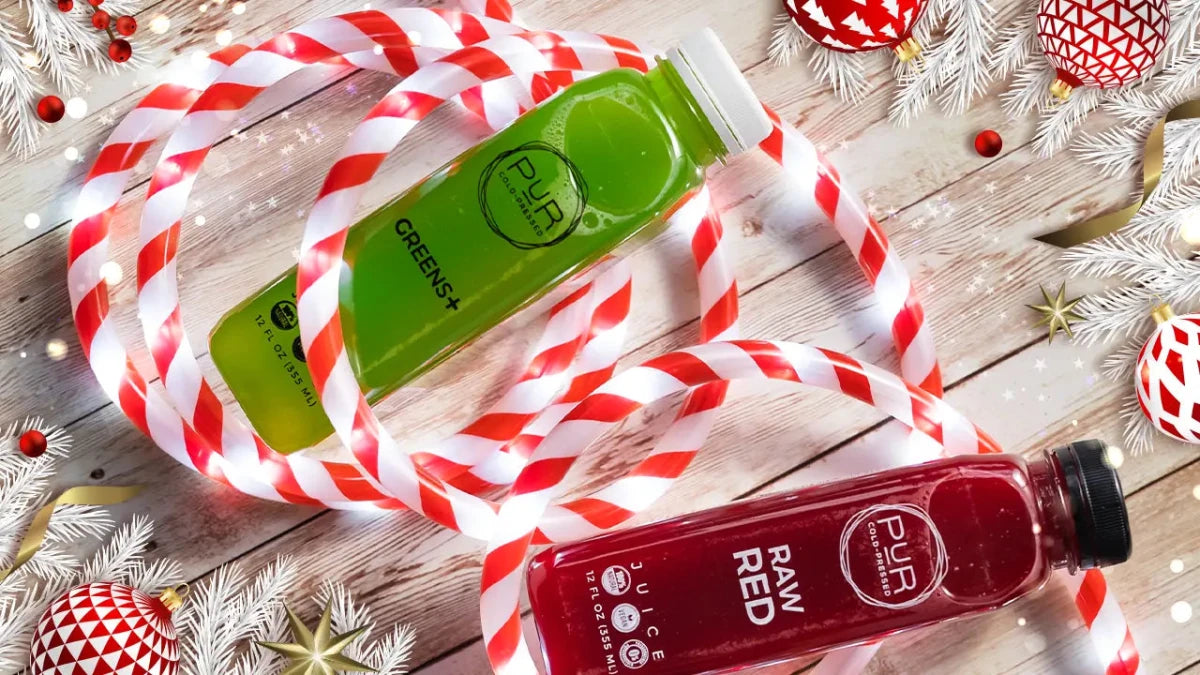
- If you already know a flavor profile: Review individual options such as Greens or Raw Red, and read each current ingredient and storage description.
- If variety matters: Compare the available choices in the full product collection or look through daily juice kits. Confirm the contents of each specific option before deciding.
- If you prefer to choose a mix: Review the PUR cleanse overview and the individual product information to understand what each option includes. A cleanse is not necessary simply to enjoy juice; choose only a format that suits your preferences.
- If you like an ongoing delivery: Read the terms on the subscription page, including frequency controls and current subscription details, before signing up.
Consider a typical week rather than the most ambitious version of your schedule. If you travel often, have limited freezer space, or only want a glass occasionally, those are relevant factors. If you enjoy preparing food and already own a juicer, home preparation may be rewarding. If mornings are busy and cleanup tends to put you off, ready-to-serve juice may be more practical. There is no need to justify one format as universally better.
One useful way to test a choice is to run through a sample day. Imagine you want juice before leaving for work: Would you remember to thaw it the night before, or would a chilled bottle be easier? If you make it at home, do you have time to wash produce and clean the juicer? For a weekend option, would you rather choose ingredients yourself or have a few ready-made flavors available? These small details can change which option feels convenient. They are also easy to evaluate without making assumptions about nutrition or health effects. A product that fits your actual schedule is more likely to be one you enjoy using.
What common mistakes are easy to avoid?
- Taking “fresh” as a full explanation: Check the processing description, ingredients, and handling directions separately.
- Comparing label values without matching servings: First confirm the portion sizes, then compare relevant numbers.
- Buying more than you can store: Check how much refrigerator or freezer space is available and plan when you will use the product.
- Leaving juice out while you multitask: Follow the label and handle it promptly, especially after opening or preparation.
- Changing too many recipe ingredients at once: Adjust one element per batch so you can tell which change affected the flavor.
- Assuming juice has a guaranteed wellness effect: Treat it as a food choice, not a treatment or a promise of a particular result.
A practical example: suppose you are choosing between a home recipe and a delivered assortment for weekday mornings. Write down when you expect to drink each serving, how much prep time you can spare, and where the juice will be stored. Then compare ingredients, serving information, and storage steps. If one option requires extra thawing or shopping for several ingredients, include that work in the comparison instead of looking only at the glass itself.
What should you ask before ordering?
Before placing an order, make sure you can answer a few simple questions from the current listing or package details:
- What are the ingredients, and are allergens clearly identified?
- What serving size does the nutrition information describe?
- Does the product need refrigeration, freezing, or thawing?
- How much storage space will the order require?
- Are the delivery and handling instructions clear for your location and schedule?
- What should you do if a parcel arrives damaged or the product condition is unclear?
If any product or delivery detail is unclear, use the PUR FAQs or contact PUR with a question before you decide. Checking first is better than relying on an assumption about a recipe, delivery, or storage period.
Frequently asked questions
Is fresh juice always unpasteurized?
No. “Fresh” does not identify a specific processing method. Check the product description and label for the method used.
Is homemade juice better than bottled juice?
Neither is automatically the right choice for everyone. Homemade juice gives you direct control over ingredients but takes preparation and cleanup. Bottled juice is convenient, and its ingredients and handling depend on the product.
How soon should homemade juice be refrigerated?
Refrigerate it promptly in a clean, covered container and follow reliable food-safety guidance. Use your recipe, equipment, and food-safety instructions rather than assuming the same storage period applies to all juice.
Can I use juice instead of a meal?
Juice is not automatically a nutritionally complete meal. Check the product’s nutrition information and consider your overall needs. For personal dietary questions, speak with a qualified health professional.
How can I find the right PUR option?
Compare the current ingredients, serving information, and storage directions for each product. You can also review the PUR FAQs or contact the company with a product question.
Fresh juice is easiest to choose when you focus on the details that matter to your routine: what is in it, how it is handled, and when you will enjoy it. Read product information carefully, follow storage directions, and choose a format that feels practical for your day.